
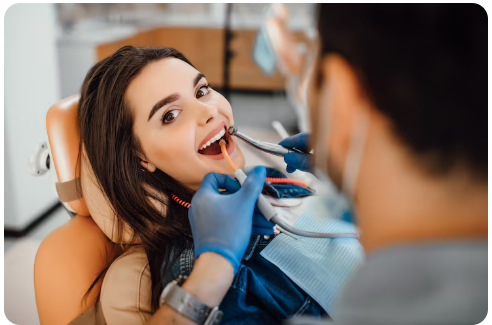
Many people view a visit to the dentist as a necessary but unpleasant chore—a reactive step taken only when pain or a clear problem arises.
However, routine dental care is fundamentally a proactive component of overall health and well-being, offering benefits that extend far beyond simply having a nice smile.
Regular check-ups and professional cleanings are instrumental in preventing serious health issues, catching diseases early, and maintaining quality of life.
By prioritizing visits to the dentist, individuals invest in a comprehensive protective shield for their oral health, systemic health, and self-confidence. The value of this consistent professional care cannot be overstated in securing a healthy future.
Early Detection of Dental Problems
The most direct benefit of seeing the dentist regularly is the early identification of common dental issues. During a routine examination, the dentist can spot the smallest signs of decay, gum disease (gingivitis or periodontitis), and enamel erosion that are invisible to the naked eye.
Catching a cavity when it is small means a simple filling instead of a costly and complex procedure like a root canal or extraction later on. Early detection prevents minor issues from escalating into major, painful, and expensive emergencies.
Prevention of Gum Disease
Gum disease is a leading cause of tooth loss in adults and is closely linked to systemic health issues. Professional dental cleanings remove plaque and tartar buildup from below the gum line—areas impossible to reach with a toothbrush or floss alone.
Tartar is hardened plaque that irritates the gums, leading to inflammation and eventual gum recession. Routine cleanings are the primary defense against gum disease, keeping the supporting structures of the teeth healthy and firm.
Oral Cancer Screening
An important, often overlooked service provided during a routine visit is an oral cancer screening. The dentist performs a thorough inspection of the mouth, throat, tongue, and neck for lumps, discolored patches, or persistent sores that could indicate the presence of oral cancer.
Early detection of oral cancer dramatically increases the success rate of treatment. This simple, non-invasive screening performed twice yearly can be a life-saving measure.
Protecting Overall Systemic Health
The link between oral health and overall systemic health is well-established. Periodontal disease has been shown to be associated with an increased risk of serious conditions, including cardiovascular disease, stroke, diabetes complications, and even adverse pregnancy outcomes.
By keeping the mouth free of chronic infection and inflammation, regular dental visits help reduce the bacteria load that can enter the bloodstream, thereby contributing to the health of the entire body.
Guidance on Oral Hygiene Techniques
Dental hygienists provide personalized instruction on the most effective brushing and flossing techniques based on an individual’s specific needs and dental anatomy. They can recommend the appropriate tools, such as electric toothbrushes, specific types of floss, or mouthwash.
Correct at-home care, informed by professional guidance, maximizes the effect of routine cleanings and empowers patients to maintain their oral health between visits.
Maintaining a Confident Smile
A healthy smile is a significant asset to personal confidence and social interaction. Regular cleanings remove surface stains caused by food, coffee, and tobacco, keeping the teeth bright and attractive.
Furthermore, addressing issues like bad breath (halitosis), which is often caused by bacteria buildup, restores a person’s comfort in social settings. By ensuring teeth are healthy, functional, and aesthetically pleasing, the dentist contributes directly to improved self-esteem.