
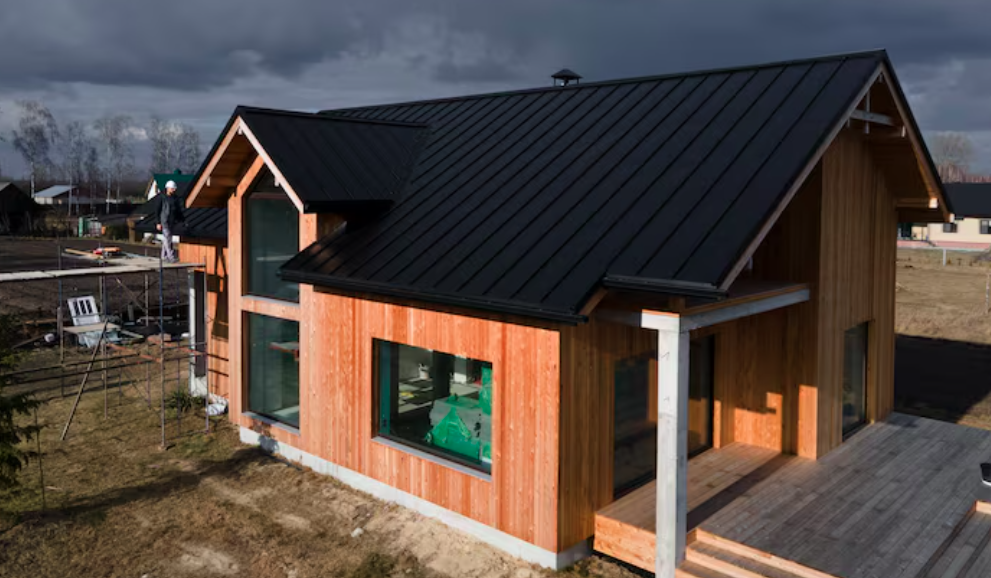
Your roof is the most vital defensive structure of your home, serving as the primary barrier against harsh environmental conditions. While every roofing material has a projected service life, its actual longevity is heavily influenced by how well you manage its care and maintenance.
By adopting a proactive approach and understanding the needs of your roofing system, you can maximize its performance, protect your home from structural issues, and avoid the premature expense of a full replacement. Implementing these expert strategies will ensure your home remains safe and secure for decades.
Expert Maintenance for Your Residential Roofing System
The foundation of a long-lasting roof is a consistent maintenance plan, which is a cornerstone of effective residential roofing management. Because your roof is constantly exposed to ultraviolet rays, fluctuating temperatures, and moisture, it requires regular evaluation to remain in optimal condition.
Engaging with professional inspectors allows you to identify minor surface damage, such as granule loss or thinning seals, before they evolve into significant structural failures.
By prioritizing regular maintenance, you ensure that small issues are addressed immediately, preserving the integrity of your investment over the long term.
Quality Craftsmanship in Residential Roofing Services
The lifespan of your roof is inherently tied to the quality of its installation and the precision of subsequent repairs.
When you utilize specialized residential roofing services, you benefit from the technical expertise of contractors who understand the nuances of structural drainage and material compatibility.
Proper installation techniques, including the use of high-quality underlayment and correct flashing application, are essential for preventing water intrusion.
Ensuring that all work meets modern industry standards significantly reduces the risk of premature aging, keeping your roof resilient against environmental stressors throughout its functional life.
Implementing Consistent Inspection Protocols
Routine inspections are the most effective way to monitor the health of your roof deck. You should schedule a professional check at least twice annually, as well as following any major weather event. During these inspections, look for signs of cracked shingles, rusted fasteners, or damaged vent seals.
Identifying these subtle indicators early allows for quick, affordable interventions that prevent moisture from infiltrating your attic space, which is the primary cause of roof-related structural decay.
Managing Debris and Moisture Control
Debris accumulation is a common but often overlooked threat to roof longevity. Leaves, twigs, and moss retain moisture against the roof surface, which can accelerate the deterioration of shingles and lead to persistent dampness.
Regularly cleaning your roof and ensuring that your gutters and downspouts are completely free of blockages is vital for efficient water drainage.
By keeping the surface clean and dry, you prevent the conditions that lead to rot and mold growth, effectively safeguarding your roof deck from permanent damage.
Optimizing Attic Ventilation for Performance
Proper thermal regulation within your attic is crucial for protecting your shingles from the inside out. Inadequate ventilation often results in heat buildup during the summer and condensation accumulation during the winter, both of which shorten the life of your roofing materials.
Ensure that your soffit, gable, and ridge vents remain clear and functional at all times. A well-ventilated attic maintains a stable temperature for the roof deck, preventing materials from warping or buckling and ensuring they stay secure and flat for many years.