
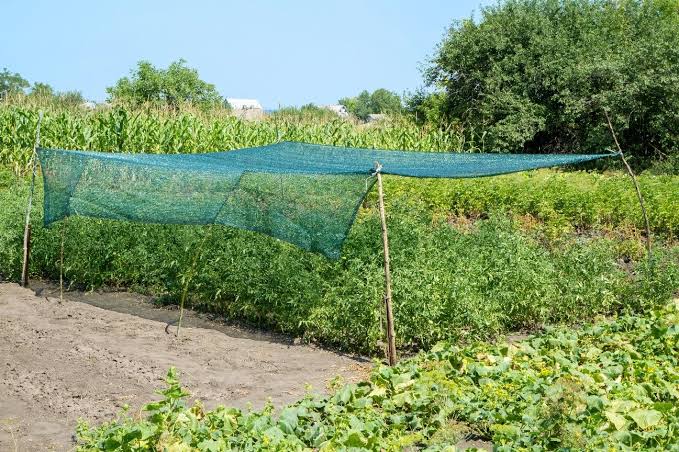
Patio plants can develop scorched, faded, or dry patches when sunlight and heat exceed what their leaves can tolerate. Damage is especially common after plants are moved suddenly from protected conditions into stronger outdoor sun. Protection usually involves adjusting exposure, improving watering habits, and reducing heat stress rather than moving every plant indoors.
Recognize Heat and Sun Exposure Patterns
Sunburn often appears on the parts of a plant receiving the strongest direct light. Leaves may develop pale, tan, or crispy patches, particularly on exposed upper surfaces.
Heat stress can look similar but may affect the whole plant through drooping, curled leaves, or unusually fast drying. Check both sunlight exposure and soil moisture before deciding what needs changing.
Outdoor plant arrangements inspired by home decorating resources work best when visual placement is balanced with the actual light requirements of each species.
Move Sensitive Plants Gradually
A plant grown indoors, beneath shade cloth, or inside a garden center may not be ready for intense afternoon sun. Moving it directly into an exposed patio location can damage foliage surprisingly quickly.
Introduce stronger light in stages where possible. Start with brighter indirect light or limited morning sun, then increase exposure according to how the plant responds.
Use the Patio Itself for Protection
Walls, railings, umbrellas, larger plants, and covered sections can create useful pockets of partial shade. Moving a pot a few feet may dramatically change afternoon exposure.
Homeowners exploring comfortable outdoor living ideas can often create shade without permanent structures by positioning furnishings and planters strategically.
| Plant Problem | Possible Cause | Adjustment |
|---|---|---|
| Crispy exposed patches | Strong direct sun | Add partial shade |
| Afternoon drooping | Heat stress | Reduce hottest exposure |
| Fast-drying pots | Hot container/root zone | Check moisture more often |
| New leaves scorching | Sudden light increase | Acclimate gradually |
Keep Roots Cooler and Evenly Moist
Containers can heat faster than garden soil, especially dark pots exposed to strong afternoon sun. Hot root zones combined with dry soil can intensify stress.
Check moisture more frequently during hot conditions, but don’t automatically keep pots saturated. Water according to the plant’s needs and make sure drainage remains open.
General household and garden reading can offer useful seasonal ideas, though plant care should always be adjusted for local temperatures and species requirements.
Remove Damage Carefully
Sunburned leaf tissue generally doesn’t turn green again. Even so, partially damaged leaves may still contribute to the plant, so immediate heavy pruning isn’t always necessary.
Remove leaves that are fully dead or deteriorating when appropriate, using clean tools. If much of the plant is affected, avoid stripping away all remaining foliage at once unless there’s another reason to do so.
Why Extra Water Isn’t Always the Answer
A scorched plant may look dry, which can tempt gardeners to water repeatedly. But sunburn is leaf-tissue damage caused by exposure, and extra water cannot repair burned areas.
Overwatering a stressed plant can create a second problem around the roots. First check the soil. Then adjust shade, exposure, airflow, and watering based on what the plant actually needs.
Frequently Asked Questions
Can sunburned plant leaves recover?
The damaged patches generally remain damaged, although the plant may recover overall and produce healthy new leaves once excessive exposure is corrected.
Should I move a sunburned plant completely into shade?
Not necessarily. Plants that normally prefer sun may only need protection during the hottest period or gradual acclimation rather than permanent deep shade.
Can patio pots become too hot for plants?
Yes. Containers exposed to intense sun can become hot and dry more rapidly than surrounding garden soil. Pot material, color, size, and location can influence root-zone temperature.
Protect New Growth From Repeat Damage
Don’t judge recovery by whether existing scorched patches disappear. Focus on the condition of new growth. Adjust the plant’s position, introduce stronger sun gradually, monitor container moisture, and provide afternoon protection when needed. Healthy new leaves are a better sign of improvement than the appearance of already damaged foliage.