
Introduction
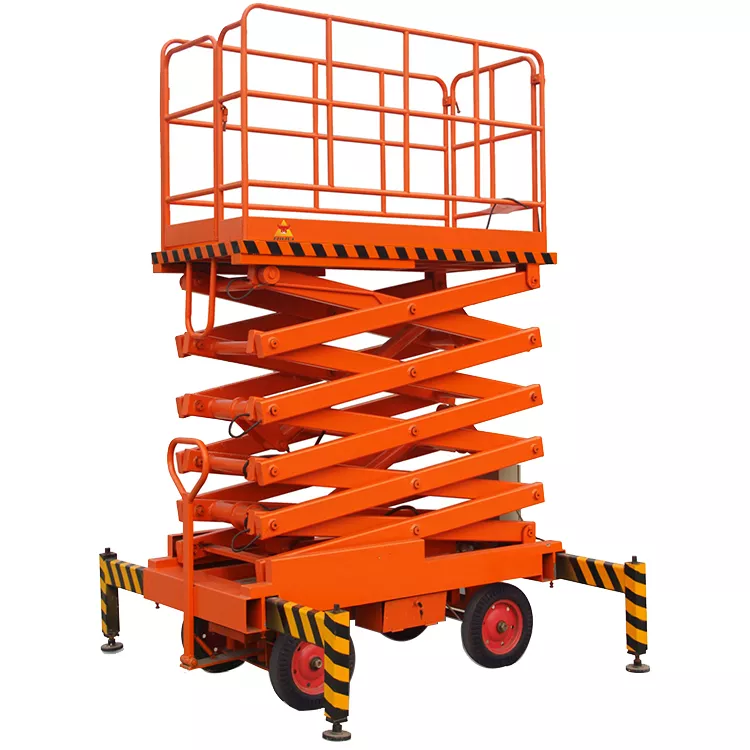
Ensuring the safe and reliable operation of a lifting platform, or 升降台, is essential for any industrial, warehouse, or construction environment. Regular inspections prevent accidents, reduce downtime, and extend the lifespan of the equipment. This ultimate checklist outlines the key steps and areas to focus on when inspecting a lifting platform.
Pre-Inspection Preparation
Before beginning an inspection, ensure that the lifting platform is not in operation and the area is clear of personnel and obstacles. Gather necessary tools such as wrenches, inspection mirrors, gloves, and flashlights. Review the manufacturer’s guidelines and inspection schedule to ensure all critical points are covered.
Visual Inspection
Start with a thorough visual inspection of the platform:
- Examine structural components, including the frame, base, and platform, for cracks, corrosion, or signs of wear.
- Inspect welds and joints for any weaknesses.
- Check guardrails, safety chains, and handholds to ensure they are secure.
- Look for hydraulic leaks, oil stains, or fluid drips.
- Inspect electrical components and wiring for damage or loose connections.
Moving Parts and Mechanisms
Lifting platforms have moving parts that require close attention:
- Test scissor arms, rollers, pulleys, and hinges for smooth movement.
- Check for unusual noises or resistance that may indicate wear or misalignment.
- Ensure that chains, cables, and belts are properly tensioned and lubricated according to manufacturer specifications.
Hydraulic System Checks
For hydraulic 升降台, perform the following:
- Check hydraulic fluid levels and top up if necessary.
- Inspect hoses, seals, and cylinders for leaks or cracks.
- Look for air bubbles in the system and bleed the hydraulic system if required.
- Test the lifting and lowering function under no-load conditions to ensure smooth operation.
Electrical System Checks
For electric lifting platforms:
- Test the control panel, switches, and emergency stop buttons.
- Inspect wiring for frays, wear, or corrosion.
- Ensure battery-operated platforms have sufficient charge and the battery is in good condition.
- Verify that sensors, overload protection, and limit switches are functioning correctly.
Load Testing
Periodically, conduct a load test to ensure the platform can handle its rated capacity. Gradually apply the maximum load and check for stability, noise, or unusual movement. Verify that safety features, such as overload alarms, operate correctly under load conditions.
Safety Equipment and Accessories
Check all safety equipment associated with the lifting platform:
- Ensure anti-slip surfaces are intact.
- Verify guardrails, toe guards, and chains are secure and free from damage.
- Confirm that warning signs, labels, and operating instructions are visible and legible.
Documentation and Record-Keeping
Keep detailed records of all inspections, including dates, findings, and any corrective actions taken. Documenting maintenance history ensures compliance with safety regulations, helps identify recurring issues, and facilitates better planning for repairs or replacements.
Operator Training and Observation
During inspections, observe operators using the platform and confirm that they follow proper procedures. Training operators to recognize warning signs, potential hazards, and correct operational practices reduces the likelihood of accidents.
Conclusion
A comprehensive inspection of a lifting platform or 升降台 ensures safe operation, enhances reliability, and prolongs its lifespan. By following this ultimate checklist, businesses can maintain high safety standards, reduce downtime, and protect both workers and equipment. Regular inspections, combined with proper operator training and maintenance, are essential for maximizing the value of your lifting platform.