
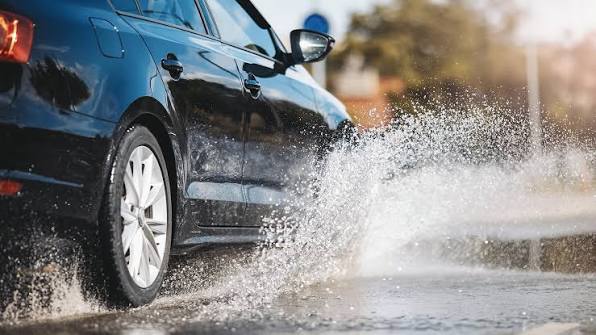
Hydroplaning can occur when water prevents a tire from maintaining normal contact with the road surface. Steering may suddenly feel light and the vehicle may stop responding as expected. Smooth actions matter: ease off the accelerator, avoid abrupt steering, and resist the instinct to slam on the brakes.
Recognize the Conditions That Raise the Risk
Standing water is more concerning than a simple damp road. Deep puddles can form in wheel tracks, low spots, poorly drained areas, and sections where heavy rain is falling faster than water can leave the pavement.
Higher speed gives tires less time to move water away from the contact area. Reducing speed before entering visibly wet sections gives you more control over the situation.
Drivers reading about vehicle systems may encounter fleet and vehicle resources during broader safety research, but no technology eliminates the need to adapt speed to rainfall and road conditions.
What to Do if Steering Suddenly Feels Light
If the vehicle begins hydroplaning, avoid panicked control inputs. Ease off the accelerator smoothly and keep the steering wheel pointed in the intended direction as much as possible.
Do not make a sharp turn simply because the vehicle initially fails to respond. When traction returns, a large steering angle could cause the vehicle to change direction suddenly.
Planning around severe weather can reduce exposure in the first place. Reviewing driving-route information along with forecasts and official road updates may help when heavy rain is expected.
Leave More Space in the Rain
Wet conditions can make both visibility and braking more difficult.
A larger following distance gives you additional time to respond without needing a sudden stop.
Tire Condition Matters in Standing Water
Tread is designed in part to move water away from the tire’s contact area. Worn or damaged tires may have less ability to manage wet-road conditions effectively.
Check tire condition and pressure regularly using the appropriate specifications for your vehicle. General tire safety resources may be useful for background reading, but manufacturer guidance and professional inspection are more appropriate for vehicle-specific concerns.
| Wet-Road Situation | Risk | Safer Habit |
|---|---|---|
| Standing water | Loss of tire contact | Reduce speed beforehand |
| Heavy rain | Poor visibility | Increase following distance |
| Light steering | Possible hydroplaning | Make smooth inputs |
| Deep puddles | Hidden road damage | Avoid when safely possible |
Avoid Puddles When You Cannot Judge Their Depth
A puddle may hide a pothole, damaged pavement, debris, or substantially deeper water than expected. Driving through an unknown flooded section can create risks beyond hydroplaning.
Never assume another vehicle crossing safely proves that your vehicle can do the same. Differences in vehicle height, weight, tires, drivetrain, water depth, and current all matter.
If water appears deep, flowing, or impossible to assess, finding another route is safer than experimenting.
Mistakes That Can Make Hydroplaning Worse
Hard braking is a common instinct when a vehicle feels disconnected from the road. Sudden braking or aggressive steering may make recovery more difficult while traction is limited.
Another mistake is using cruise control in conditions where frequent speed adjustment may be needed. Direct control of the accelerator can make it easier to respond to changing water depth and traffic.
Drivers also underestimate rain after long dry periods. Wet surfaces can become slippery even when dramatic standing water is not visible.
Frequently Asked Questions
At what speed can hydroplaning happen?
There is no single speed that guarantees or prevents hydroplaning. Water depth, tire tread, tire pressure, road surface, vehicle speed, and other conditions all influence the risk.
Should you brake during hydroplaning?
Avoid sudden heavy braking. Ease off the accelerator and keep control inputs smooth while allowing the tires an opportunity to regain normal contact with the road.
Can new tires hydroplane?
Yes. Good tread can help manage water, but no tire makes a vehicle immune to hydroplaning. Excessive speed and deep standing water can still overwhelm available traction.
Respond Smoothly Before the Situation Escalates
Wet-road safety starts before traction disappears. Lower your speed when water begins collecting, increase the distance around other vehicles, and avoid driving through water of unknown depth. If hydroplaning occurs, smooth corrections give the tires a better chance to regain contact without creating a second problem.