
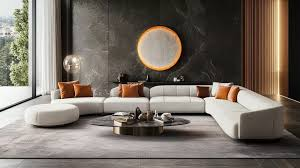
The sofa is arguably the most crucial piece of furniture in any home.
It anchors the living space, dictates the room’s flow, and serves as the central hub for relaxation, conversation, and entertainment.
In an era increasingly defined by minimalism, efficiency, and sophisticated aesthetics, the traditional bulky, overstuffed couch is giving way to its more refined relative: the sleek sofa. These pieces are not just seating; they are design statements that embody a clean, intentional, and clutter-free lifestyle.
They represent an evolution in domestic design, shifting the focus from sheer volume to refined form, material quality, and spatial intelligence.
The move toward sleeker designs is driven by practical needs as much as aesthetic preferences.
With urbanisation pushing housing into smaller footprints—like the rise of apartment living in major Australian cities—furniture must be smarter, lighter, and less dominating. The market has responded by offering beautifully scaled, low-profile, and modular designs that can adapt to smaller or more complex living arrangements.
The Australian furniture market alone is valued at billions, reflecting a strong consumer willingness to invest in quality home furnishings that reflect contemporary style (for example, the average Australian household spends over $3,000 annually on furniture and household equipment, according to Australian Bureau of Statistics data from 2015-16, a figure that continues to grow and indicates a sustained investment in the home environment).
Defining Sleek: The Essential Characteristics
What exactly transforms a regular sofa into a “sleek” one? It’s a combination of deliberate design choices that prioritize line, proportion, and restraint.
1. Minimalist Silhouette
A sleek sofa is characterized by its clean, uninterrupted lines. Unlike their overstuffed predecessors, sleek designs feature thin arms, streamlined backs, and an overall low-profile structure. The result is a piece that appears to float or rest lightly on the floor, contributing to an open, airy feeling in the room.
2. Elevated Base and Tapered Legs
The appearance of height and space is crucial. Many sleek designs feature slender, tapered legs (often metal or dark wood) that lift the body of the sofa off the ground. This visual gap—even just a few centimetres—allows light and air to pass underneath, enhancing the sense of space and making the room feel larger. This is particularly valuable in small or congested living areas.
3. Track Arms and Geometric Forms
Sleek models often utilize track arms, which are square or rectangular and align neatly with the backrest height. This geometric, box-like structure reinforces the modern aesthetic, moving away from the soft curves of rolled-arm or English-style sofas. This adherence to clean geometry makes the piece feel contemporary and architectural.
4. Controlled Upholstery and Firm Seating
The stuffing is controlled, favouring a firm and tailored look over a soft, slouchy one. Cushions are often crisp and rectilinear, using high-density foam or feather wraps to maintain their sharp shape. Upholstery, whether in linen, velvet, or leather, is pulled taut to avoid wrinkles and sagging, ensuring the surface itself contributes to the sofa’s seamless appearance.
The Top 5 Sleek Sofa Styles for Modern Spaces
The sleek aesthetic isn’t limited to a single style but is expressed through various popular design movements. Here are five of the most sought-after iterations of the modern, sleek sofa:
- Mid-Century Modern (MCM) Revival: Arguably the progenitor of the sleek aesthetic. These sofas feature iconic elements like button-tufted backs, long, low silhouettes, and distinctively angled, tapered wooden legs. They often use rich, solid colours like mustard, teal, or charcoal, and favour materials like walnut wood and high-quality leather or woven fabric. The look is retro yet timeless.
- The Low-Profile Sectional: Perfect for spacious, contemporary living. This style takes the modular concept and lowers the overall height. Cushions are deep but structured, and the backrests are minimal. These pieces often lack visible legs or use very short, recessed ones to create a monolithic, grounded appearance. Their primary appeal is the ability to create expansive, streamlined seating arrangements that don’t visually clutter the space.
- The Tuxedo Sofa: Defined by arms and a back of the same height, which creates a formal, boxy, and very clean silhouette. The Tuxedo style naturally exudes sleekness due to its strong, geometric lines. It’s often fully upholstered, sometimes featuring channel tufting for subtle texture. It’s an ideal choice for a sophisticated, urban setting.
- The Scandinavian Design Couch: Prioritizes functionality, lightness, and natural materials. Scandinavian designs feature slim profiles, light-coloured or neutral fabrics (greys, creams, oatmeals), and exposed light-wood frames or legs. The design is pared back, comfortable, and focused on maximizing light and minimizing visual weight.
- The Modern Curved Sofa: A contemporary twist on sleekness. While curves might seem counter-intuitive to the clean-line mandate, these sofas feature large, sweeping, continuous curves in their backs and seats, but still maintain a low profile and minimalist base. This style is particularly effective at softening a room full of sharp angles, adding a sense of organic, luxurious flow without sacrificing sophistication.
Practical Considerations for the Sleek Life
Choosing a sleek sofa requires a careful balance between form and function. While the aesthetic is paramount, the piece must still serve its primary purpose as comfortable, usable furniture.
Material Selection for Durability and Style
The material choice is integral to maintaining the ‘sleek’ look over time.
- Leather: A taut, semi-aniline or full-grain leather will age beautifully while maintaining a smooth, structured surface. It’s excellent for achieving an ultra-modern, high-end look.
- Performance Fabrics: Modern synthetics like Crypton or specific blends offer stain resistance and high durability, ensuring the tight upholstery remains crisp and clean even with heavy use.
- Velvets and Bouclés: These can offer a sophisticated texture, but the fabric must be tailored well to avoid the ‘slouchy’ look. A high-quality velvet, when pulled tight, can add a luxurious, tactile dimension to an otherwise geometric form.
Placement and Proportion
A sleek design benefits from the less-is-more philosophy. When styling, allow the sofa to be the star. Avoid over-accessorizing it with too many pillows or bulky throws, which can negate the streamlined effect. Its proportions should complement the room; in a small room, a sleek, compact sofa visually opens the space, while a long, low-profile sectional enhances the width of a large room.
The aesthetic principle guiding the choice of a sleek sofa is the concept of negative space. The air and floor visible around and beneath the sofa are just as important as the sofa itself. This deliberate use of open space is the hallmark of sophisticated, contemporary design. It turns the sofa from a simple utility into an architectural element—a clean volume that grounds the room without overwhelming it.
Conclusion
The rising popularity of sleek sofas reflects a broader cultural shift towards valuing quality over quantity, and intentional design over accidental clutter. They provide the perfect canvas for a modern lifestyle—a blend of sophisticated form, practical scale, and enduring comfort. By embracing minimalist silhouettes, refined materials, and controlled proportions, these pieces prove that truly great design doesn’t have to shout; it speaks volumes through its quiet elegance.
Do sleek sofas, then, offer the ultimate blend of minimalist aesthetic and domestic functionality?