
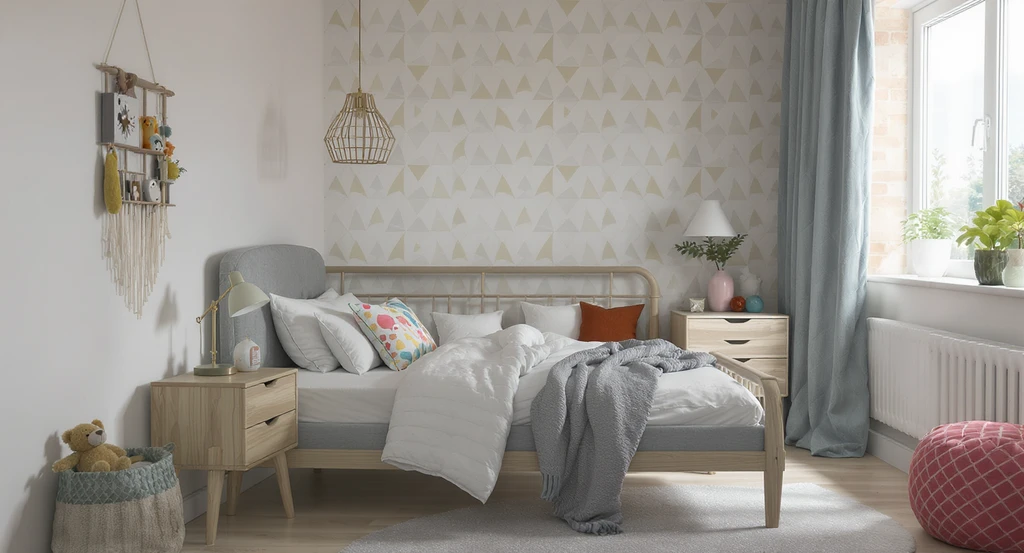
A crowded kids bedroom often has to serve several purposes at once: sleep, play, reading, dressing, homework, and storage. Creating clear zones helps children understand where things belong and can make sharing a room easier. The aim is not to fill every inch, but to give each activity a simple, repeatable place.
Providers for Kids Room Organization
1. IKEA
IKEA offers children’s furniture, storage, beds, shelving, and organization products. Its modular approach can help families compare storage that changes as a child’s needs develop.
2. Target
Target sells kids bedding, storage bins, furniture, desks, and decor. It may be useful for creating a coordinated, modest-scale update around a child’s routine.
3. The Container Store
The Container Store provides bins, labels, closet organizers, and modular storage. Clear categories can help make cleanup more understandable for children.
4. Wayfair
Wayfair lists kids furniture, beds, desks, shelving, and storage from many brands. Measure carefully for beds, drawer clearance, and walking paths in a shared or small room.
5. The Home Depot
The Home Depot carries shelving, closet components, storage hardware, and home-improvement supplies. It can be relevant for practical wall storage when installation is appropriate.
Assign Zones With Clear Boundaries
Place sleep items near the bed, contain play items in accessible bins, and use a desk or small table only if it supports a real routine. Labeling, color coding, or picture labels can make the system easier for younger children to follow. Keep pathways open and secure tall furniture according to manufacturer instructions.
For layout ideas that prioritize daily use, explore practical family room planning. You can also review comfortable shared-space inspiration to make zones feel welcoming rather than rigid.
For restrained color and decor choices, consult kid-friendly room styling ideas.
Frequently Asked Questions
How do I divide a shared kids bedroom?
Use furniture placement, separate storage zones, bedding choices, or a simple visual boundary while preserving safe access to doors, windows, and beds.
What is the best storage for toys?
Choose containers a child can open, identify, and put away. The right size depends on toy type and the amount being stored.
Should kids have desks in small bedrooms?
Only if the room has enough space and the desk supports a regular activity. A shared household work area may be more practical in some homes.
Give Every Activity a Home
Zones reduce crowding because they reduce decision-making. Keep categories simple, maintain clear paths, and adjust the setup as children’s routines change.