
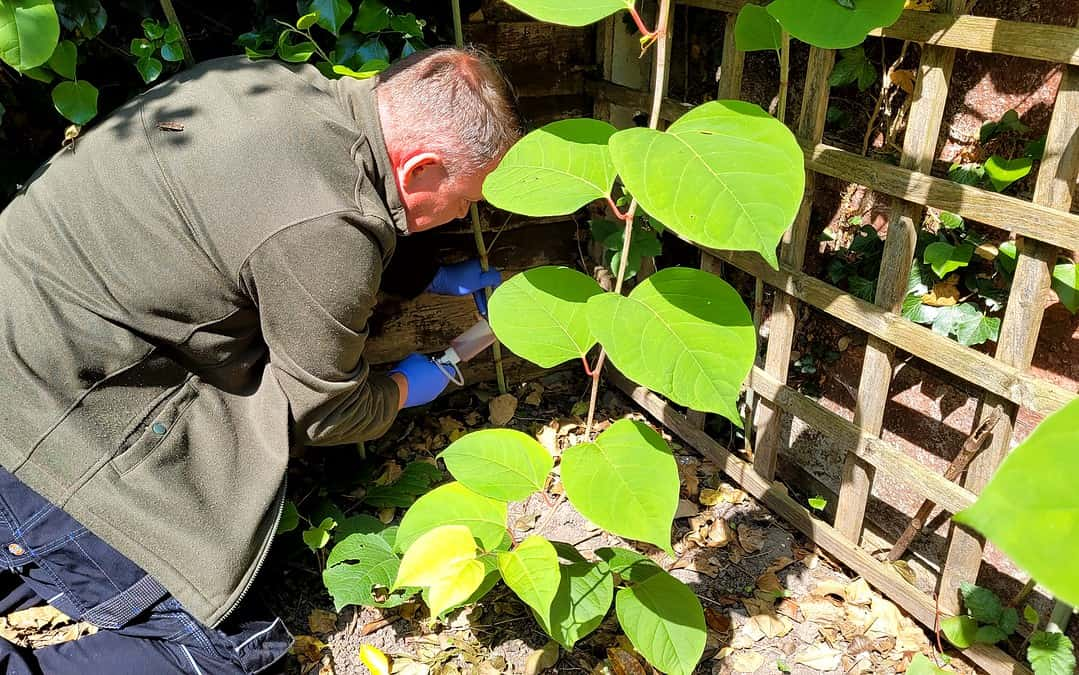
Japanese knotweed is a fast-growing, invasive plant that can quickly take over gardens and outdoor spaces. Many homeowners underestimate the damage it can cause until it spreads extensively. Addressing this problem through effective Japanese knotweed removal is essential for protecting both your garden and your property’s value.
Understanding the Threat of Japanese Knotweed
Japanese knotweed is more than just an unsightly plant. Its roots can penetrate walls, fences, and hard surfaces, causing structural damage over time. Left unchecked, this invasive species can spread rapidly, choking out other plants and damaging the landscape. Gardens that are overrun by knotweed lose their appeal and may even require costly repairs to restore.
By recognizing the potential risks early, homeowners can take action to prevent extensive damage. Understanding the plant’s growth patterns and aggressive nature is the first step in safeguarding your garden investment.
The Importance of Professional Japanese Knotweed Removal
Removing Japanese knotweed is not as simple as pulling it out. The plant has deep-rooted rhizomes that can regenerate if not completely eradicated. Attempting to remove it without professional guidance may allow the plant to return stronger than before.
Professional Japanese Knotweed removal services use specialized techniques to ensure the plant is fully removed. This often includes targeted herbicide treatments, careful excavation, and ongoing monitoring to prevent regrowth. By investing in expert removal, homeowners can protect their garden’s health and prevent future infestations.
Protecting Your Property Value
A garden overrun with Japanese knotweed can negatively impact property value. Potential buyers are often wary of homes with knotweed due to the difficulty and cost of removal. Properties with confirmed infestations may face complications in mortgage approvals or insurance coverage.
Effective Japanese knotweed removal not only restores the beauty of your garden but also reassures potential buyers that the property is well-maintained. Taking swift action helps preserve the investment you’ve made in your home and garden, ensuring it remains attractive and marketable.
Maintaining a Healthy Garden Environment
Beyond property value, Japanese knotweed removal is vital for maintaining a healthy garden environment. Knotweed can overshadow other plants, reducing biodiversity and weakening the soil. It can also interfere with garden features such as ponds, patios, and pathways.
By removing knotweed, you allow native plants and garden features to thrive. This promotes a balanced ecosystem, supports pollinators, and enhances the overall enjoyment of your outdoor space. A well-maintained garden not only looks beautiful but also contributes to the long-term health of your property.
Long-Term Benefits of Removal
Investing in Japanese knotweed removal offers long-term benefits that go beyond immediate aesthetics. It minimizes the risk of structural damage, reduces future maintenance costs, and prevents the spread of the invasive plant to neighboring properties.
Regular monitoring after removal is essential to ensure the plant does not return. Many professional services provide ongoing inspections and treatment plans to guarantee lasting results. This proactive approach protects both your garden and the wider environment from further invasions.
Conclusion
Japanese knotweed is a serious threat to gardens and property value, but with proper attention, it can be effectively managed. Professional Japanese knotweed removal is key to safeguarding your garden investment, maintaining a healthy outdoor environment, and preserving the beauty and functionality of your property.
By addressing knotweed early and consistently, homeowners can prevent costly repairs, protect their property value, and enjoy a thriving garden for years to come. Investing in removal today ensures a secure, healthy, and visually appealing garden tomorrow.