
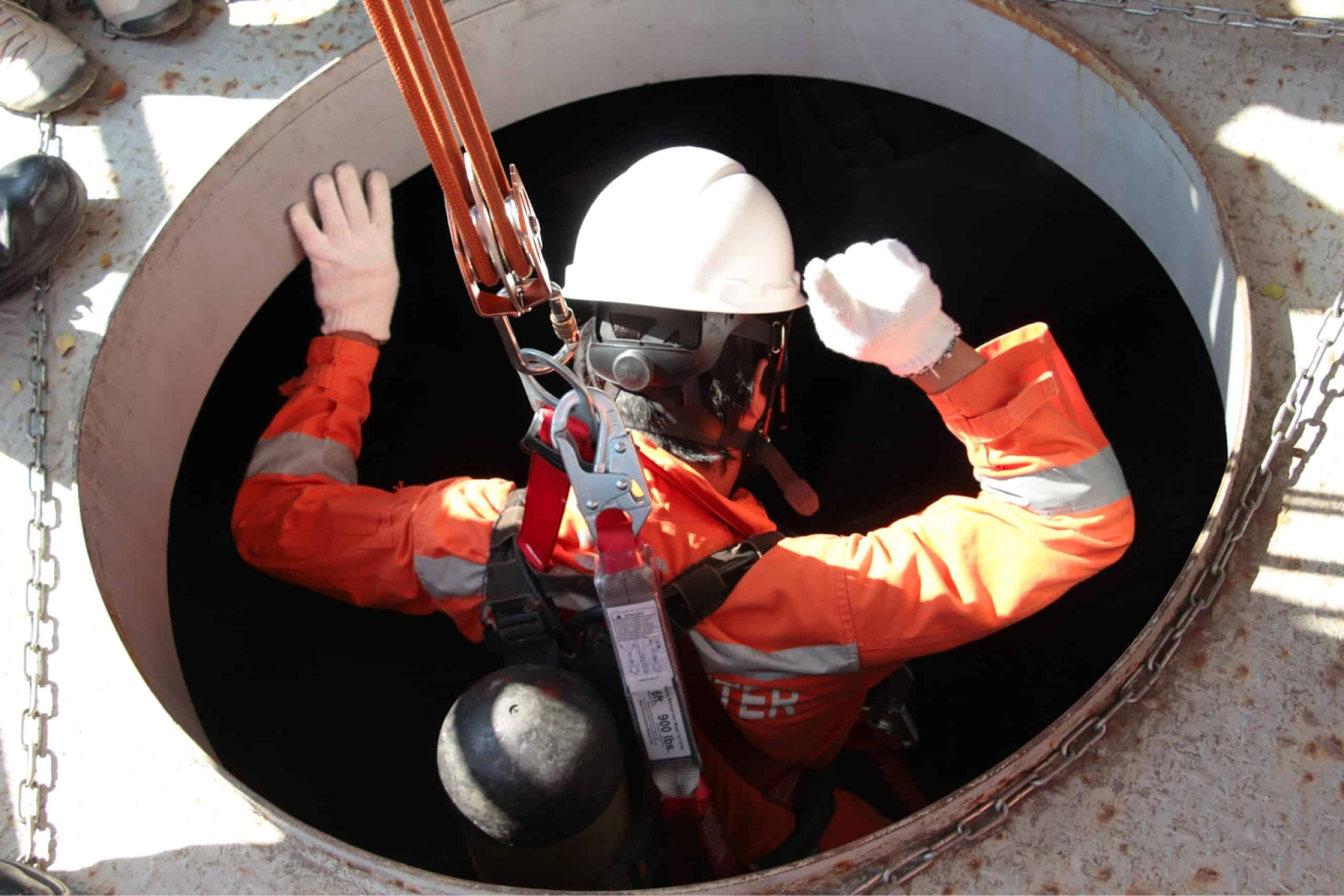
Working in confined spaces is one of the most challenging and dangerous tasks in many industries. These spaces, which can include tanks, tunnels, sewers, and silos, often have limited access, poor ventilation, and a higher risk of accidents. Employees working in such environments face the possibility of injuries, exposure to hazardous gases, or even fatal accidents if proper precautions are not taken. This is where confined space rescue services play a vital role. By having trained professionals ready to respond in emergencies, these services ensure that your team stays safe while performing high-risk jobs.
Understanding Confined Space Rescue
Confined space rescue refers to specialized services designed to safely extract workers from hazardous or restricted environments. Unlike regular emergency response, confined space rescue requires specific training, equipment, and planning due to the unique dangers present. Rescuers are trained to handle emergencies such as lack of oxygen, toxic gases, chemical spills, or sudden structural failures. By relying on these professionals, companies can prevent serious injuries and fatalities that could occur during accidents in confined spaces.
Importance of Proper Training
One of the key components of confined space safety is proper training. Workers and rescue teams must understand the risks associated with confined spaces and learn how to respond effectively. Rescue personnel undergo rigorous training that covers equipment use, emergency procedures, and hazard recognition. This ensures that if an accident occurs, they can act quickly and efficiently to save lives. Training also emphasizes communication, teamwork, and awareness, which are critical for maintaining safety in high-risk situations.
Advanced Equipment for Safety
Confined space rescue services use specialized equipment to protect both workers and rescuers. Equipment such as gas detectors, ventilation systems, harnesses, and retrieval systems are essential for navigating tight and dangerous areas safely. Gas detectors identify harmful gases before they reach dangerous levels, while ventilation systems maintain a supply of fresh air. Harnesses and retrieval systems allow rescuers to safely remove individuals from confined spaces without putting themselves at risk. The use of advanced equipment significantly reduces the likelihood of accidents and ensures a faster, safer rescue.
Emergency Response Planning
Having a plan in place is crucial for confined space safety. Rescue services work closely with companies to develop emergency response plans tailored to specific work environments. These plans outline procedures for immediate action, communication protocols, and responsibilities of each team member during a rescue operation. By preparing for potential emergencies in advance, organizations can minimize panic and confusion, making it easier to manage high-risk situations safely. A well-prepared plan also ensures that the rescue team can respond quickly and effectively, which can be the difference between life and death.
Reducing Workplace Risks
Confined space rescue services are not only about responding to emergencies but also about preventing them. These professionals help identify potential hazards, assess risks, and implement safety measures before work begins. By evaluating the work environment and ensuring compliance with safety regulations, rescue teams reduce the chances of accidents occurring. This proactive approach helps maintain a safer workplace and gives employees confidence that their safety is a top priority.
Enhancing Employee Confidence and Productivity
Knowing that a trained rescue team is available can have a positive impact on employee confidence. Workers are more likely to perform their tasks effectively when they feel secure in the knowledge that immediate help is available if something goes wrong. This assurance reduces stress and allows employees to focus on their work, improving overall productivity. Confined space rescue services, therefore, contribute not only to safety but also to the efficiency and morale of your team.
Conclusion
Confined space rescue services are essential for keeping employees safe during high-risk jobs. By providing trained personnel, advanced equipment, emergency planning, and hazard prevention, these services reduce the risks associated with working in dangerous environments. Investing in confined space rescue not only protects your workforce but also ensures smoother operations and peace of mind for both employees and management. Safety should always come first, and with the right rescue services, your team can work confidently and efficiently even in the most challenging conditions.