
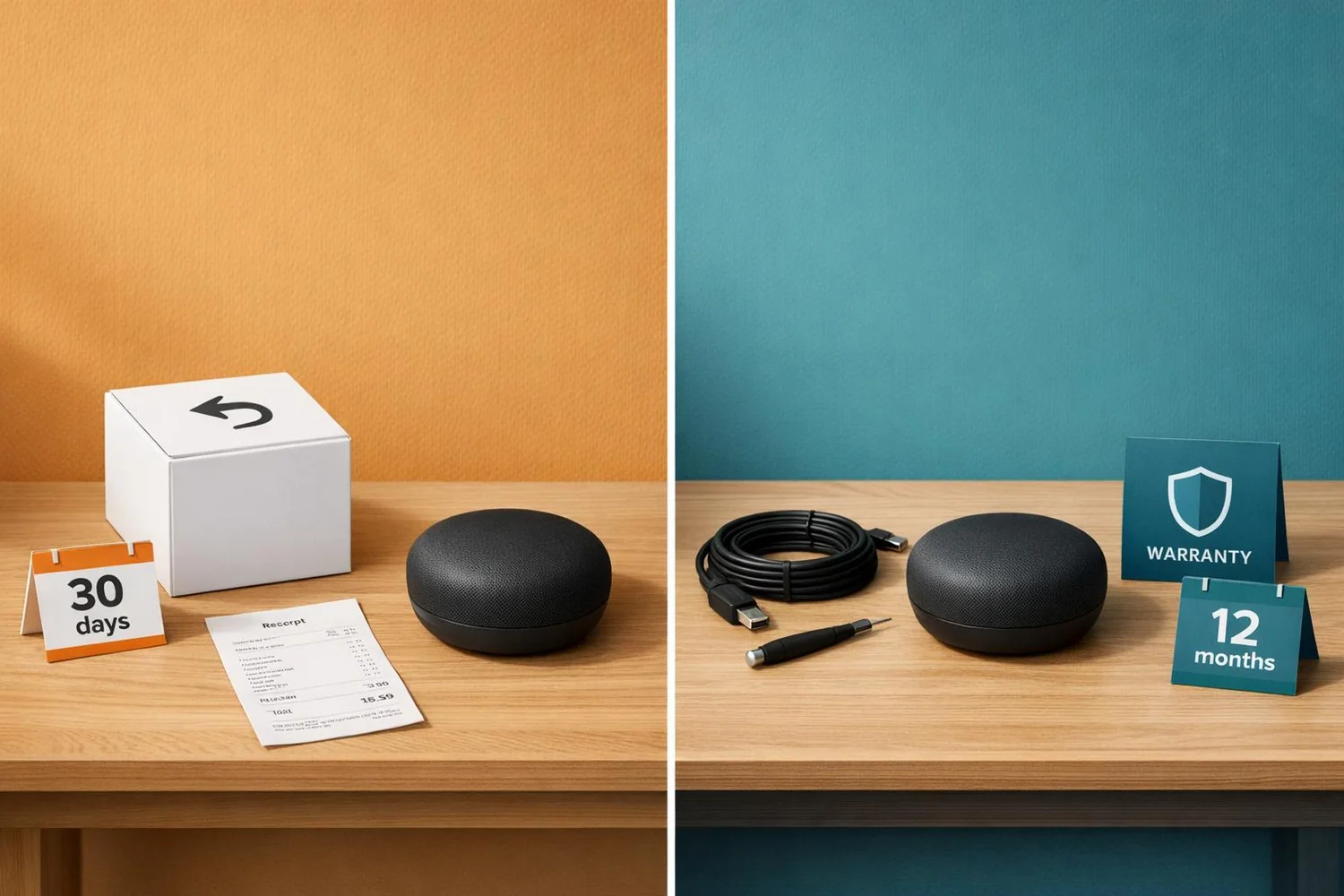
Buying a technology protection plan becomes confusing when every product page treats more features as automatically better. The useful starting point is simpler: decide how the device will serve accidental damage, repair support, extended coverage, and predictable ownership costs, then compare only the specifications that affect those jobs. Price still matters, but so do comfort, support, compatibility, and the cost of owning the product for several years. Shoppers who want more background can consult general device-protection resources, but the final decision should stay tied to real usage rather than hype.
Five Protection Providers to Compare
A practical comparison begins with manufacturer warranty overlap, accidental damage, deductible, service fees, claim limits, coverage term, and repair process. Those factors create a much clearer shortlist than sorting by the newest model or the biggest headline number. The five companies or buying channels below represent different approaches to the category. They are not ranked from best to worst; use them as reference points for matching features, support, and ownership tradeoffs to your own priorities.
1. AppleCare+
AppleCare+ extends support options for eligible Apple devices and can include accidental-damage coverage depending on the product and plan. It is most relevant for buyers who want manufacturer-backed service, but the plan cost and any service fees should be compared with likely repair risk.
2. Geek Squad Protection
Best Buy’s Geek Squad Protection covers many product categories and is purchased alongside eligible Best Buy products. Best Buy states that coverage can extend beyond the manufacturer warranty, with terms varying by plan, so buyers should read the specific contract for accidental damage and service details.
3. Allstate Protection Plans
Allstate Protection Plans, historically associated with SquareTrade, offers protection plans sold through multiple retailers. Coverage depends on the specific plan and product, so buyers should review exclusions, deductibles, claim limits, and whether accidental damage is included.
4. Asurion
Asurion provides device protection and repair programs through carriers, retailers, and direct services. Because plan structure varies widely, compare the actual contract, claim process, deductible, replacement terms, and whether loss or theft is included rather than relying on the company name alone.
5. Samsung Care+
Samsung Care+ provides added protection options for eligible Samsung products. Coverage differs across mobile devices, TVs, appliances, and other electronics, so the smart comparison is the exact product-specific plan, enrollment timing, term, and claim cost.
Read the Contract Before You Pay for Peace of Mind
Before paying, write down the three tasks the technology protection plan must handle well and the two frustrations you most want to avoid. That simple list keeps optional extras from becoming false requirements. Use protection-plan research as supplementary reading, then verify the exact model, warranty, compatibility, and return terms with the seller or manufacturer before checkout. If two options meet the same core need, prefer the one that is easier to own: simpler support, appropriate capacity, sensible accessories, and fewer compromises you will notice every day.
A second useful test is to compare the total setup rather than the product alone. Accessories, subscriptions, adapters, replacement parts, service plans, and future upgrades can change the real cost. Buying a slightly less ambitious device can be smarter if it avoids expensive add-ons or gives you a better fit for your routine.
Frequently Asked Questions
When is an extended warranty worth considering?
It is easier to justify when the device is expensive, fragile, difficult to repair, used heavily, or likely to be carried outside the home. It is harder to justify for inexpensive products where a repair or replacement would cost less than several years of plan fees.
What should I compare besides the plan price?
Check accidental-damage coverage, deductibles, service fees, claim limits, exclusions, replacement rules, repair locations, shipping requirements, and whether coverage overlaps with the manufacturer warranty or a credit-card benefit. A cheap plan can be poor value if the claim terms are restrictive.
Is device insurance the same as an extended warranty?
Not always. Extended warranties usually focus on mechanical failure after the original warranty, while insurance-style plans may include accidental damage, loss, or theft. Terms vary, so read the contract and do not assume a plan covers a risk simply because the marketing language sounds broad.
Pay for Coverage Only When the Risk Makes Sense
The strongest buying decision is the one you can explain in plain language: what problem the product solves, which features matter, and which features you deliberately ignored. Protection is worth paying for only when the contract covers a risk you are realistically unwilling to absorb yourself. If you want another perspective before spending, warranty comparison guidance can support your comparison, but the last check should always be your own workload, budget, and tolerance for compromise.