
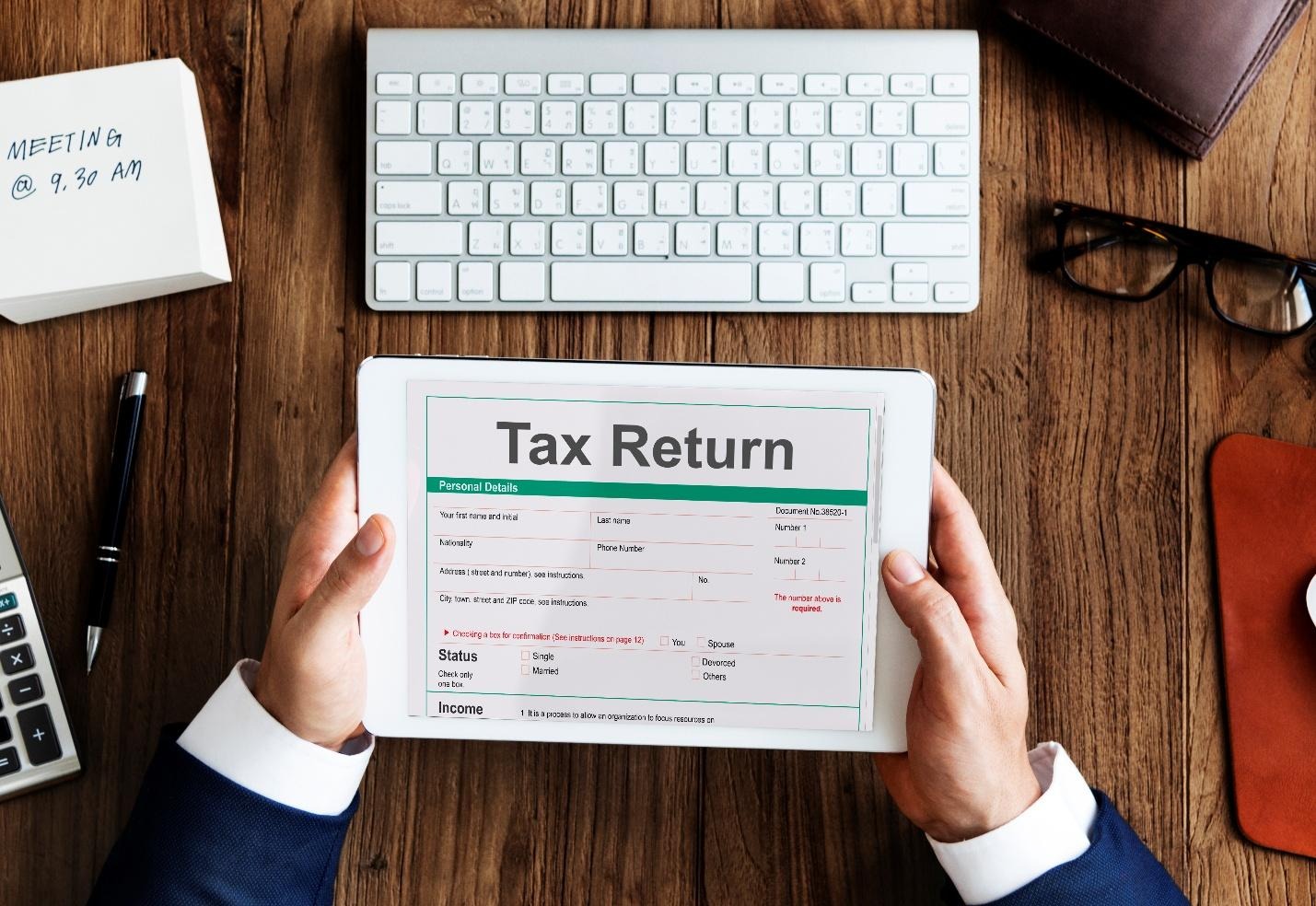
Starting individual tax filing for the first time can feel confusing, but it becomes much easier when you understand the basics. Tax filing is the process of reporting your income, expenses, and financial details so that the correct amount of tax can be calculated. Having all the necessary information before you start can save time, reduce stress, and help you avoid mistakes. Understanding the steps and having the right documents ready makes the process smooth.
Following are some points explained in simple words you should know before starting individual tax filing.
Understand What Tax Filing Means
Individual tax filing means providing details about your income, assets, and expenses to the tax authorities. This helps calculate how much tax you need to pay or whether you are eligible for a refund.
Tax filing also shows that you are a responsible taxpayer, which can be useful for financial planning and legal purposes.
Know If You Need to File
The first step is to check if you are required to file taxes, because not everyone must file taxes. It usually includes individuals who earn above a certain income level, own a business, or have additional sources.
It creates an official financial record and may provide advantages such as eligibility for certain services, benefits, or refunds.
Collect Your Financial Information
Collecting your financial information before starting is another important step. This includes salary slips, bank statements, investment records, rental income details, and proof of expenses.
Having all documents ready makes the filing process faster and helps avoid mistakes. You can even create a checklist to make sure everything is organized and you do not miss any important information.
Learn the Filing Process
Most tax systems now use online portals for filing. Understanding how these platforms work can reduce errors. You need to enter your income details, and review everything before submitting.
Learning the process in advance, including how to calculate deductions or exemptions, helps you feel prepared when filing your taxes for the first time.
Understand Your Income Sources
Source of income may include salary, business earnings, rental income, or profits from investments. Reporting everything is important because each type of income may be treated differently.
Missing a source of income can lead to penalties, extra taxes, or other legal complications later, so it is important to review your financial situation carefully.
Be Aware of Deadlines
Tax filing comes with specific deadlines. Filing late can result in fines or additional charges. Starting early gives you more time to prepare, allows you to check details properly, and correct any mistakes.
The filing process becomes easy, stress-free, and smooth when you know deadlines. Marking the deadline on a calendar or setting reminders can help you stay on track.
Understand the Benefits
Filing taxes properly also provides many advantages. For example, it helps you maintain a clear financial record, which is useful for loans or financial planning.
It also prevents penalties and allows you to receive refunds if you have overpaid. Staying organized with your tax filing provides long-term benefits and ensures peace of mind.