
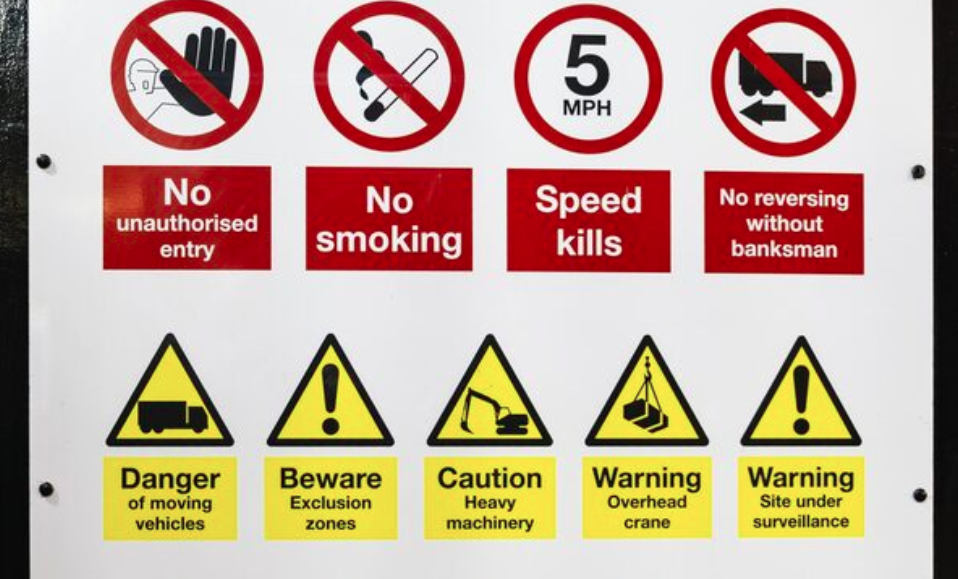
The complexity of modern transportation networks requires a standardized method of communication that transcends language and cultural barriers.
Road safety is not merely a product of infrastructure and vehicle engineering; it is deeply rooted in the effective transmission of information to drivers, cyclists, and pedestrians.
High-visibility markers and instructional boards serve as the primary interface between the road authorities and the public.
By implementing strategically placed safety signs, planners can create a predictable and organized environment that significantly reduces the probability of human error and fatal collisions.
1. Regulating Driver Behavior and Speed
One of the most fundamental functions of roadway markings is the regulation of vehicle speed and movement. Regulatory placards provide mandatory instructions that drivers must follow, such as stop commands, yield requirements, and speed limits.
These safety signs ensure that every motorist is operating under the same set of rules, which is essential for maintaining order at busy intersections and narrow thoroughfares.
By clearly defining the legal parameters of the road, these markers prevent aggressive driving and help synchronize the flow of diverse vehicle types across the network.
2. Providing Vital Warnings of Approaching Hazards
The road ahead is often unpredictable, featuring sharp curves, steep inclines, or areas prone to wildlife crossings. Warning indicators serve as a critical early alert system, giving drivers the necessary time to adjust their speed and attention level before reaching a potential danger.
Without these well-maintained safety signs, motorists might enter hazardous sections of the road without sufficient preparation, leading to loss of control or sudden braking.
This proactive communication is particularly vital in rural areas where road geometry can change abruptly without warning.
3. Protecting Vulnerable Road Users and Workers
Roadways are shared spaces occupied by more than just motorized vehicles. Pedestrians, children in school zones, and construction crews are all at high risk when navigating near active traffic.
Specialized markers are used to delineate safe crossing zones and alert drivers to the presence of workers on the road. By utilizing highly reflective safety signs, authorities can ensure that work zones are visible even during heavy rain or nighttime hours.
This creates a protective buffer that prioritizes the lives of those who are most exposed to the dangers of passing traffic.
4. Facilitating Clear Navigation and Wayfinding
Confusion is a leading cause of erratic driving and sudden lane changes, both of which can trigger multi-vehicle accidents. Informational and directional boards guide travelers toward their destinations, providing distance markers and lane assignments well in advance of exits or merges.
When drivers are confident in their route, they can focus more of their cognitive resources on the immediate task of safe vehicle operation.
Clear navigation reduces the stress of driving in unfamiliar environments, thereby fostering a calmer and more attentive driving population.
5. Enhancing Visibility in Adverse Conditions
The effectiveness of road communication depends heavily on the materials used in manufacturing. Modern safety indicators utilize retroreflective sheeting that captures and reflects light from vehicle headlamps back toward the driver. This ensures that essential instructions remain legible during fog, heavy snow, or total darkness.
By ensuring that safety signs are consistently maintained and replaced when they lose their luminosity, transportation departments provide a reliable source of guidance that remains effective even when environmental visibility is severely compromised.