
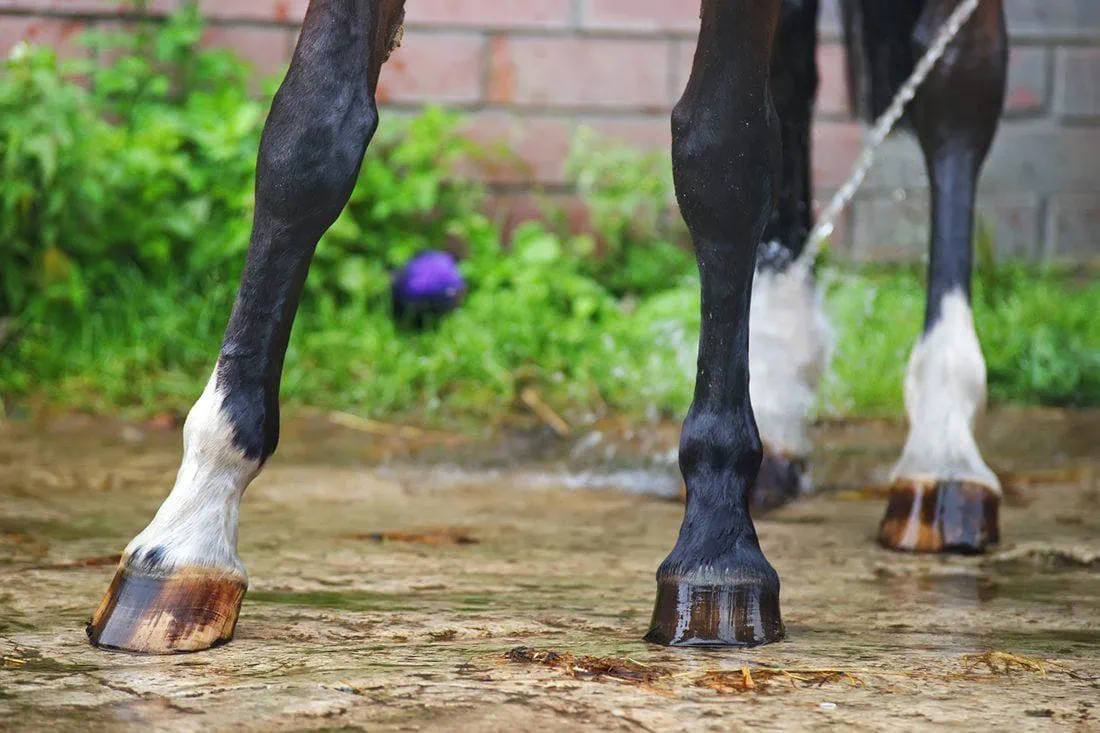
Navicular syndrome is a common condition that affects the hooves of horses, causing pain and lameness. It occurs when the navicular bone and surrounding tissues in the hoof become inflamed or damaged. Horses suffering from this condition often show signs of discomfort, such as reluctance to move, shortened strides, or stiffness. This can greatly affect their performance and quality of life. Fortunately, effective navicular syndrome treatment can help improve your horse’s mobility, reduce pain, and enhance overall comfort.
Understanding Navicular Syndrome in Horses
Navicular syndrome is a degenerative condition that affects the navicular bone, located in the back of the horse’s hoof. The syndrome involves not only the bone but also the tendons, ligaments, and surrounding tissues. It can result from poor conformation, excessive work, or improper hoof care. Horses with navicular syndrome may develop chronic lameness, which can worsen over time if left untreated. Early recognition and proper care are essential to prevent further damage and maintain your horse’s well-being.
The Role of Navicular Syndrome Treatment
Navicular syndrome treatment focuses on reducing pain and inflammation, improving hoof structure, and restoring normal movement. A proper treatment plan may include a combination of corrective shoeing, medications, and exercise adjustments. Each horse’s needs are different, and the treatment should be tailored based on the severity of the condition and the horse’s overall health. By addressing the underlying causes and managing symptoms, navicular syndrome treatment can help your horse regain confidence in movement and improve its daily comfort.
Corrective Shoeing and Hoof Care
One of the key aspects of navicular syndrome treatment is corrective shoeing. Specialized shoes or pads can help redistribute weight, reduce pressure on the navicular bone, and support proper hoof alignment. Regular trimming and proper hoof maintenance are equally important, as uneven or overgrown hooves can worsen the condition. When combined with other therapies, corrective shoeing allows the horse to move more freely and reduces the risk of further lameness.
Medical and Therapeutic Approaches
Medications such as anti-inflammatory drugs or pain relievers are often used as part of navicular syndrome treatment. These help reduce swelling and discomfort, making it easier for the horse to move. In some cases, veterinarians may recommend joint injections or other advanced therapies to target specific areas of pain. Physical therapy and controlled exercise are also beneficial, as they help maintain muscle strength and flexibility without overloading the affected hooves. These medical and therapeutic approaches work together to enhance the horse’s overall mobility and comfort.
Lifestyle and Management Adjustments
In addition to medical care, proper management is crucial for horses with navicular syndrome. Adjusting the workload, avoiding excessive stress on the hooves, and providing comfortable living conditions can make a significant difference. A balanced diet that supports hoof health is also important. By combining these lifestyle adjustments with professional treatment, owners can ensure their horses remain active, comfortable, and less prone to recurring pain.
Monitoring Progress and Long-Term Care
Navicular syndrome treatment is not a one-time solution. Continuous monitoring of the horse’s condition is essential to ensure the treatment remains effective. Regular veterinary check-ups, observation of gait, and ongoing hoof care help detect early signs of relapse or progression. Long-term management may involve periodic adjustments in shoeing, medication, or exercise routines. With proper attention, horses with navicular syndrome can lead a comfortable and active life for many years.
Conclusion
Navicular syndrome can be challenging for both horses and their owners, but effective navicular syndrome treatment offers hope for improved mobility and comfort. Through a combination of corrective shoeing, medical care, therapeutic exercises, and proper management, horses can regain confidence in movement and experience less pain. Early recognition and consistent care are key to minimizing the impact of this condition. By investing in the right treatment and ongoing support, you can help your horse enjoy a healthier, more comfortable, and active life.